
Why Little Treats Are Big Business (and How Creators Can Monetize the Moment)
Audiences aren’t chasing long-term transformation anymore. They’re paying for instant relief and micro-indulgences.
We’ve reached the limit of the hyper-optimization era.
For the last decade, creators have been told to sell big transformations: 12-week overhauls, career-reinventing masterclasses, and digital systems designed to track every waking second of a customer’s life. People were like software that needed a constant upgrade.
Look at your own browser tabs or your saved folder on Instagram. Most of us are sitting on a digital graveyard of unfinished courses and how-to guides that we’re too exhausted to actually open. We want to improve, but we no longer have the bandwidth for a 40-hour overhaul. We don't want a “new me” that requires a second shift of labor; we want the “current me” to feel slightly more okay, right now.
This is the death of the “new you” and the birth of treatonomics.
Table of Contents
What is Treatonomics?
Treatonomics is an economic shift where consumers are pivoting away from future-value optimization products and toward present wellbeing treats that offer immediate cognitive relief.1
In a world of high-interest rates and even higher burnout, consumers are shifting their spending from the distant future to the immediate present. Whether it’s a physical product like a $15 scent-infused candle or a digital one like a $19 “Done-In-Five” template, the motivation is the same: present wellbeing.2
And it’s a big marketing trend going into 2026.
For the knowledge creator, this trend is a permission slip to stop over-engineering. Your audience isn’t looking for a marathon; they’re looking for a glass of water. If you can shift from selling the hard work of change to selling the joy of the micro-win, you don’t just capture attention, you capture the heart of the new economy.
The Rise and Fall of Hyper-Optimization

To understand why little treats are winning, we have to look at what they are replacing. For years, the creator economy was fueled by the belief that any human problem (stress, bad sleep, lack of focus) could be solved by tracking data and applying a high-friction protocol.
The Era of Tracking Begins
In 2010, the iPhone 4 launched with the first high-precision sensor hub. Beyond a simple accelerometer, the iPhone 4 introduced a 3-axis gyroscope. Combined with its other sensors, it provided 6-axis motion detection, allowing apps to track your physical movement and orientation with unprecedented precision. This was the technology that made reliable step-tracking and sleep-monitoring possible on a phone.
Combined with the 2010 release of Tim Ferriss’s fitness-hacking manifesto, The 4-Hour Body, and the early adoption of the original Fitbit clip-on, the quantified self movement was born. We stopped simply living and started optimizing our lives as machines to be measured and engineered.
The Decline of Hyper-Optimization
After more than a decade of hustle culture, the human utility of optimization hit a ceiling. The hyper-optimization era didn't just end; it collapsed under the weight of a double-squeeze. First came the 2022 inflation peak, when prices hit a 40-year high and shattered our sense of economic safety.3 This was immediately followed by the 2024 political peak, a year that saw half the planet go to the polls amidst historic levels of policy uncertainty.4
Overwhelmed by AI-generated noise and decision fatigue, we realized that increasing efficiency was no longer making us happier. Even though consumers are spending more on wellness and productivity tools than ever before, self-reported anxiety levels continue to climb.5 We’ve been doing the "wellness work," but we aren't seeing the emotional reward.
By 2025, we stopped trying to optimize a world that felt fundamentally out of control and started seeking the immediate sanctuary of treatonomics.
2025: The Era of Present Wellbeing
By the end of 2025, we officially entered the age of present wellbeing. We are no longer looking for tools that demand more discipline; we are looking for digital treats that offer immediate sanctuary. We’ve moved from better/faster/stronger to calmer/simpler/easier.
This has triggered a global pivot toward passive wellness. The era of the high-effort life hack is being replaced by a desire for relief that doesn’t require extra labor. Consumers are no longer chasing an elusive future ideal; they are seeking “familiar comforts” that make their current reality more bearable.
In the hyper optimization era, marketing was built on:
The Life Hack: Efficiency at all costs.
The Quantified Self: If you didn’t measure it, it didn’t count.
Perpetual Upgrading: You were never “finished”; you were just a version of yourself waiting for the next productivity patch.
The result? Optimization fatigue. Your audience is now wary of any product that promises a 90-Day overhaul. To their burnt-out brains, a transformation sounds like a second job. They are no longer looking for a coach to give them more work; they are looking for a creator to give them relief.
From Hyper-Optimization to Treatonomics

Where hyper-optimization was about future ROI, treatonomics is all about feeling good in the present. In the old era, a successful digital product was one that was comprehensive. In the new era, a successful product is one that is easily consumable.
Click here to open the table in a new tab.
How to Treatify Your Creator Business
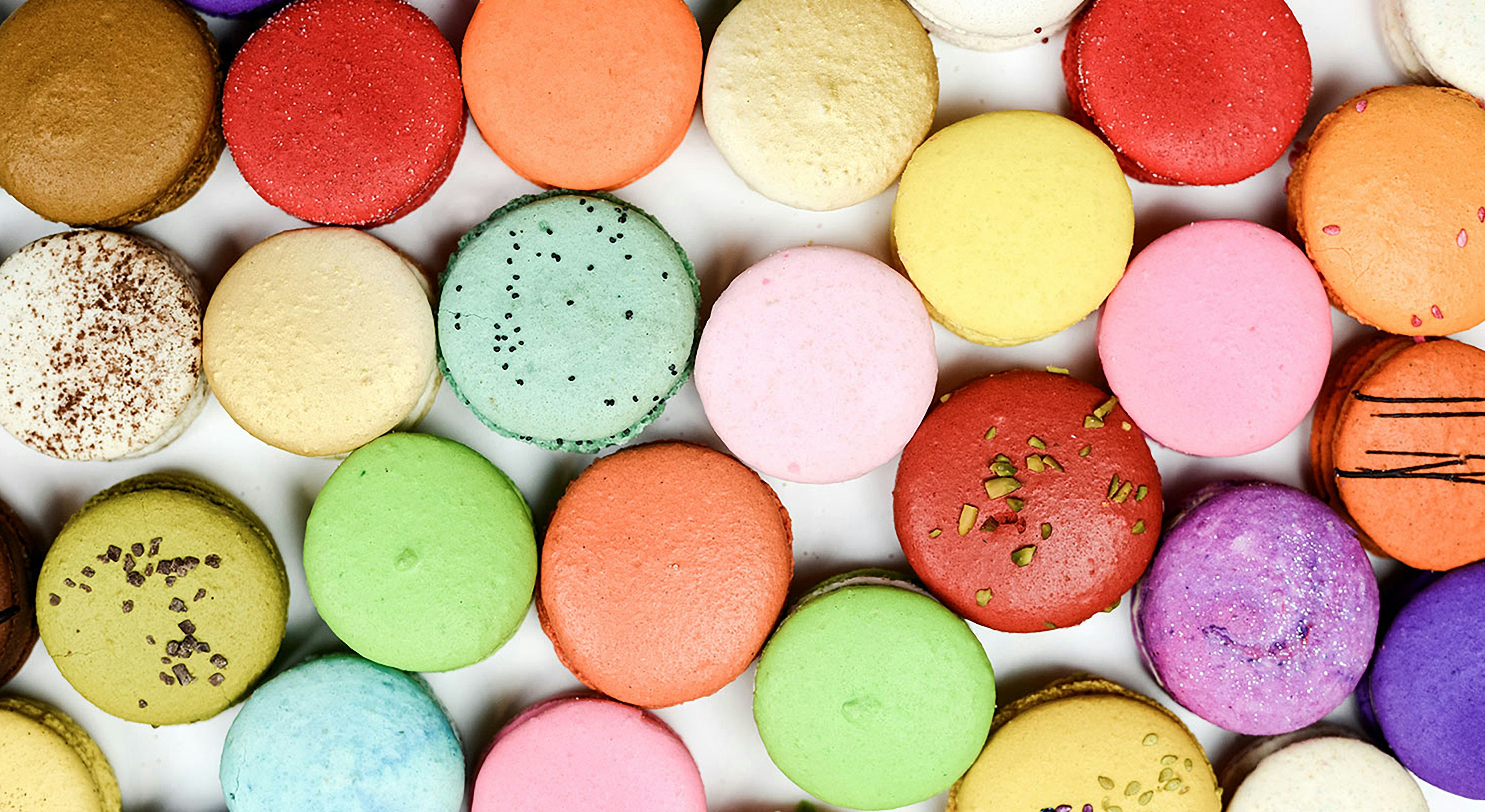
Whether you sell digital products, courses, or high-end services, the strategic shift is to move your brand from being a task to being a sanctuary. By positioning your offer as a source of relief rather than another obligation, you stop fighting for your audience’s limited energy and start becoming the thing that restores it.
This pivot won’t be right for everyone. If you are a high-performance athletic coach or a technical certification program, your audience expects (and pays for) friction. But for the vast majority of lifestyle and creative brands, the “hard work” angle is hitting a wall of diminishing returns. Audiences aren’t rejecting the value of the knowledge; they’re rejecting the perceived labor of the delivery.
For those choosing to lean into treatonomics, the application happens across four main pillars. Let’s dig in!
1. The Micro-Win over the Masterclass
The hallmark of a digital treat is that it can be consumed and implemented in a single sitting. If a customer buys from you at 8:00 PM, they should feel a sense of accomplishment by 8:15 PM.
The Strategic Shift: Instead of a “Complete Course on Content Systems,” creators are finding success with a “Plug-and-Play Content Calendar” pre-filled with 30 prompts.
The Payoff: It provides instant cognitive relief. The user doesn’t have to “learn” a system; they just have to open the file and follow the prompt. It moves them from “stuck” to “started” in seconds.
2. From Consulting to Containment
In the Optimization Era, service providers sold “consulting” (giving the client more things to do). In the Treatonomics Era, the value is in “containment” (holding the stress so the client doesn’t have to).
The Strategic Shift: Moving away from strategy calls that end with a 10-item to-do list, and toward “done-with-you” sprints or VIP days where the consultant or coach takes the wheel.
The Payoff: You are selling the luxury of reduced decision fatigue. You aren’t giving them a map; you’re giving them a ride to their destination.
3. Aesthetic as a Digital Scent
In the physical world, treatonomics is driven by sensory joy like the crackle of a wood-wick candle or the satisfying weight of a premium metal credit card. In the digital world, visual design is the sensory anchor.
The Strategic Shift: Moving away from utilitarian, “default” design and toward an intentional aesthetic that signals the specific flavor of relief you are providing.
The Payoff: The visual experience must match the “dopamine hit” your product promises. When the “vibe” and the “value” align, it lowers the user’s nervous system defenses.
Examples of sensory matching:
The Sanctuary: Warm tones and tactile textures for self-care or slow-living products.
The Power-Up: High-contrast dark modes and bold typography for business sprints or creative toolkits.
The Clarity: Minimalist white space and monochromatic palettes for organization or decision-making tools.
4. Selling the Glass of Water (The Language Shift)
The final piece is a shift in copywriting. Treat-based marketing moves away from “pushing” the user and toward “holding” them.
Click here to open the table in a new tab.
How to Run a Treat Audit on Your Current Offers

If you feel like you’re shouting into the void, it may be because your audience’s brain is characterizing the offer as a chore. To pivot toward treatonomics, you don’t necessarily need to build new products. You can repackage your current knowledge into accessible, high-reward formats.
Use this three-step framework to audit and treatify your existing lineup:
Step 1: The Dopamine-to-Labor Ratio
Treats are defined by immediate gratification. If your product requires 10 hours of study before the user gets a “win,” you are selling a long-term investment, not a treat.
The Audit: Map out the user journey. How many hurdles (logins, long intros, theory videos) stand between the purchase button and the first win?
How to Treatify It:
The Extraction Method: Take your 5-module course and pull out the single most effective tool: the calculator, the prompt list, or the template. Sell that as a standalone micro-win.
The Summary Layer: Add a “TL;DR” (too long; didn’t read) video or a 1-page “Action Map” at the very top of your portal. Give them the “cheat codes” before the deep dive.
Step 2: Sensory & Aesthetic Alignment
Sensory dissonance is the silent killer of conversions. If you are selling peace but your sales page uses aggressive red call-to-action buttons and cluttered layouts, your buyer’s nervous system will reject the offer.
The Audit: Look at your product’s visuals. Does the visual aesthetic (the vibe) match the emotional payoff you’ve promised?
How to Treatify It:
Choose your Aestetic: If your product is for focus, move toward minimalist white space. If it’s for energy, use bold, high-contrast designs.
The “Unboxing” Experience: Use high-quality mockups that make the digital asset look tactile. Even a PDF can be presented in a way that looks like a “gift” rather than a homework assignment.
With tools like Canva, Nano Banana, and NotebookLM, producing high-quality visuals has never been easier.
Step 3: The Relief-First Language Shift
Your marketing copy is the “scent” that leads your readers to the treat. Optimization copy focuses on the effort of the process; Treatonomics copy focuses on the ease of the result.
The Audit: Search your sales copy for “friction words” like master, overhaul, grind, complete guide, or protocol.
How to Treatify It:
Rewrite the Hook: Move away from “Transform your life in 90 days” toward “The 10-minute reset for your busiest days.”
Position as an Oasis: Frame your service or product as the end of a struggle, not the beginning of a new one. You aren’t giving them a map; you’re giving them a shortcut.
The Audit Cheat Sheet: From Chore to Treat
Here are some examples of how to turn your most exhausting chore offers into high-value treats.
The Goal: Every interaction with your brand should leave the user feeling capable and refreshed, not burdened by a new to-do list.
The Treatify Action Step
Pick one offer this week. Update the visuals to match a specific aesthetic, rewrite your core sales pitch to focus on “present wellbeing,” and add a “5-Minute Quick Start” bonus to the top of the delivery.
The Treat-to-Transformation Pipeline
One final thing to remember: Treatonomics isn’t about abandoning your deep, transformational work; it’s about earning the right to sell it. In an exhausted economy, you cannot ask someone for a 30-day commitment before you’ve given them 30 seconds of relief. Think of your treats as the entry point to your brand. As customers move through your marketing funnel and experience the immediate wins of your smaller offers, they stop seeing you as another “obligation” on their to-do list.
By lowering the barrier to entry today, you are clearing the mental clutter that prevents them from buying your heavier, high-ticket products tomorrow. When they are no longer overwhelmed, they’ll finally have the bandwidth to go deeper.
Give them the sanctuary first; they’ll follow you into the transformation later.
The creators who win in 2026 won’t be the ones who demand the most discipline from their followers. Instead, they’ll be the ones who provide the most ease, joy, and support.
We are moving away from an era of “Better, Faster, Stronger” and into an era of “Calmer, Simpler, Easier.” By embracing treatonomics, you aren’t just selling a digital product or a service; you are selling a moment of present wellbeing to a world that is desperately seeking it.
In an era of burnout and uncertainty, relief is the ultimate luxury.
To endless possibilities,
Casandra


Thank you for validating my instincts! I come from learning professional background, and I am a learner myself. I have taken more courses and workshops and read more books shout how to “hyper optimize” than I can count - but in the moment, what I learn from them deserts me. I am 100% on board with the idea that tools people can use in the moment, when they need them, are more useful and allow people to learn new skills hands-on - which is the very best way to learn.
That's a good comment, I love your writing, but the fatigue you mention in the text makes it difficult to get to the end... haha
A shorter version would make more sense.
:)